
Central air conditioners, often referred to as HVAC (Heating, Ventilation, and Air Conditioning) systems, are advanced cooling and heating systems designed to regulate the temperature and air quality within buildings, including homes, offices, schools, and commercial spaces. These systems are a crucial component of modern comfort and are designed to maintain a comfortable indoor environment, regardless of external weather conditions. Here is a detailed description of central air conditioners (HVAC):
Components: Central air conditioning systems consist of several key components, including:
- Compressor: This component circulates refrigerant gas, facilitating heat exchange.
- Condenser Coil: Located outside, it releases heat from the refrigerant to the exterior.
- Evaporator Coil: Located inside, it absorbs heat from the indoor air.
- Refrigerant Lines: These pipes connect the indoor and outdoor units, allowing the refrigerant to flow between them.
- Air Handler: This unit contains the blower fan, which circulates air over the evaporator coil and distributes conditioned air throughout the building.
- Thermostat: A control device that allows users to set the desired temperature and mode (cooling, heating, fan only, etc.).
Operation: Central air conditioners operate based on the principles of refrigeration. They use a refrigerant, typically a chemical compound that can change between liquid and gas states, to absorb heat from the indoor air and release it outside. The cycle includes compression, condensation, expansion, and evaporation processes to transfer heat effectively.
Cooling and Heating: Many central HVAC systems are equipped with a heat pump, which allows them to provide both cooling and heating. In cooling mode, the system extracts heat from indoor air and releases it outside. In heating mode, the process is reversed, with heat being extracted from outdoor air or the ground and transferred indoors.
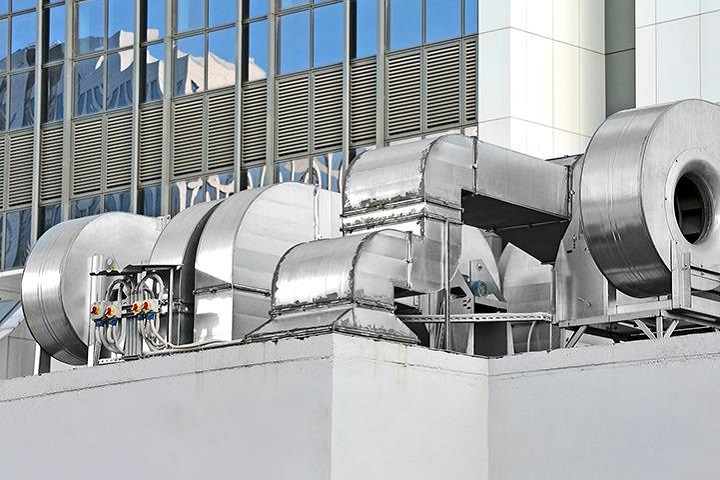
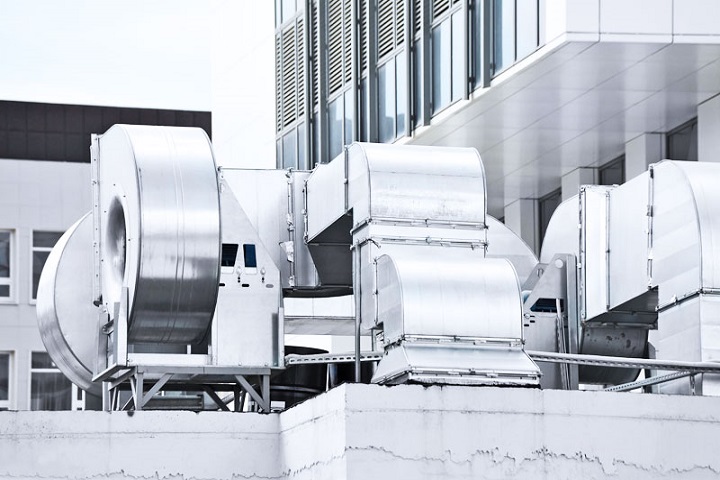
Ductwork: Central air conditioners rely on a network of ducts to distribute conditioned air throughout a building. These ducts are usually made of metal or flexible materials and are responsible for delivering cool or warm air to various rooms or zones.
Zoning: Some modern central HVAC systems offer zoning capabilities, allowing users to control the temperature in different areas or rooms independently. This enhances energy efficiency and comfort, as unused areas can be kept at a different temperature from occupied spaces.
Energy Efficiency: Energy efficiency is a crucial consideration for central air conditioners. Systems are rated using the Seasonal Energy Efficiency Ratio (SEER) for cooling efficiency and Heating Seasonal Performance Factor (HSPF) for heating efficiency. Higher SEER and HSPF ratings indicate more efficient operation.
Air Filtration and Ventilation: Central air conditioners often come with air filters to improve indoor air quality by capturing dust, allergens, and pollutants. Some systems also incorporate ventilation features to bring in fresh outdoor air, which is particularly important for maintaining good indoor air quality.
Maintenance: Regular maintenance, including cleaning or replacing filters, checking refrigerant levels, and inspecting components, is essential to ensure the system’s optimal performance and longevity.
Size and Capacity: Proper sizing of a central air conditioner is crucial. Oversized units can lead to short cycling and reduced efficiency, while undersized units may struggle to maintain the desired temperature.
Installation: Central air conditioning systems should be installed by trained professionals to ensure correct sizing, ductwork design, and safe operation.
Central air conditioners play a pivotal role in providing comfortable indoor environments, improving air quality, and enhancing energy efficiency in buildings of all types and sizes. They are a significant investment, but their benefits in terms of comfort and energy savings make them a valuable addition to homes and commercial spaces.